CapX’s books of 2025

Photo: Getty Images
Our staff and contributors have rounded up some of their favourite works of the year, and whether you’re after a history of English poetry or a sleazy Frenchman’s account of a trip to Lanzarote, there’s something for everyone in CapX’s Books of 2025.
Since we’ve all had enough of politics at this point in the year, I’ll recommend two books that have nothing to do with Westminster at all – at least, only indirectly. ‘The Restless Republic’ by Anna Keay won all sorts of prizes when it came out a few years ago, and having picked it up at the airport in the summer I can see why – it’s an absorbing, panoramic history of the boldest experiment in British history: our decade without a king. It brings the Protectorate vividly back to life, stripping away the patronising post-1688 assumption that it was always doomed to fail.
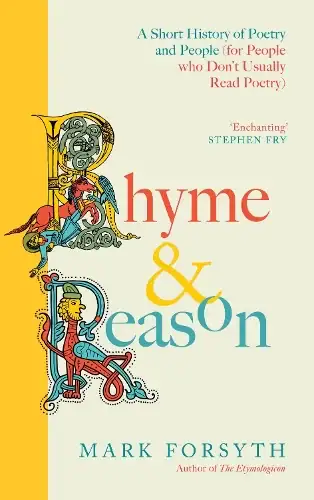
Lighter in tone but equally ambitious in scope, ‘Rhyme & Reason’ by Mark Forsyth is a breezy, sweeping history of English poetry, which focuses not just on the tortured intellectuals who produced it but the people who were actually doing the reading and listening. I’m slightly biased here, as Mark is the man who introduced me to my wife, to whom the book is dedicated. But those who’ve read ‘The Etymologicon’ and his other bestsellers will find a lot here to love. Just be prepared for the dark truth revealed in the first sentence: that England’s entire literary culture was actually imported from France.
.
As editor of CapX, I have the privilege of asking my favourite authors of the year to write for the site. For me, the most original book of 2025 was Mark Pennington’s reappraisal of Michel Foucault, which offers a wholly fresh way to think about freedom and its enemies. If your taste runs to history rather than philosophy, try Johan Norberg’s ‘Peak Human’, on what civilisations need to thrive, Don Boudreaux debunking the myths of economic history, Nigel Biggar making his case against reparations for slavery, or ‘The Rage of Party’ by George Owers on the enduring legacy of Whig/Tory divisions. And to mark Margaret Thatcher’s 100th birthday, Peter Just and Iain Dale both wrote terrific books reexamining the Iron Lady’s legacy from very different perspectives.
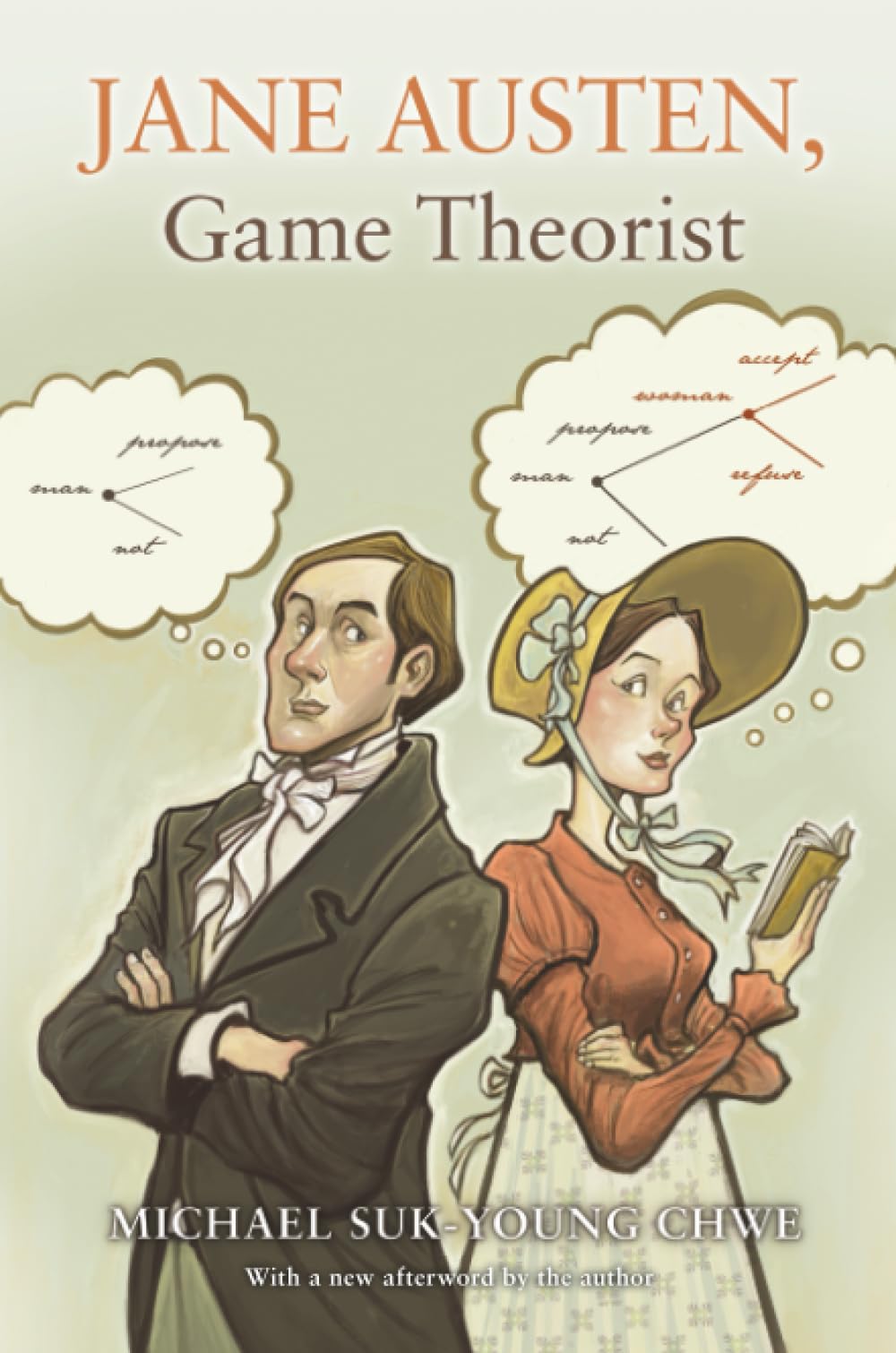
Jane Austen turns 250 next week. As a devoted Janeite, everyone should seize the opportunity to be astonished once again by ‘Emma’, and then pair it with Michael Chwe’s insightful ‘Jane Austen, Game Theorist’. But for a lighter holiday read still crackling with big ideas – and with one eye on the AI advances coming in 2026 – I’ll also be revisiting Kurt Vonnegut’s 1952 debut, ‘Player Piano’. If machines can do everything better than you, what does it mean to be human?
Regrettably, not being a doctor, teacher nor footballer, I can’t just up sticks to Dubai to escape the hamster wheel of economic stagnation and political duplicity that is Keir Starmer’s Britain. No. For me, perhaps like you too, I have to turn to a good book for escapism.
Apart from poring through the pieces on CapX – which of course are the best tonics for unhappiness – I started this year reading the hit novel ‘Perfection’, by Vincenzo Latronico. There is a feeling of generalised dissatisfaction among my fellow Gen Z’ers and Millennials. Working from home, rental accommodation, matcha, Hinge: the 21st century and its innovations have brought an immense sense of cultural confusion that can leave a chap feeling a little unmoored. In ‘Perfection’, Latronico articulates that feeling through the travails of a young, ex-pat couple living in Berlin, and their quest for a perfectly curated, Instagrammable existence.
On the non-fiction side, albeit embarrassingly late, I read Robert Tombs’s magisterial ‘The English and Their History’. For my money, it is the most comprehensive and readable account out there of the institutions, invasions and identities that have made England so uniquely brilliant. There are many on the Government’s benches who could do with giving it a read.

.
2025 was Margaret Thatcher’s centenary year, and I took her to bed with me almost every night. I assume many of my fellow CapX readers did the same. I’m talking, of course, about Charles Moore’s magisterial biography of the Iron Lady, which was reissued this year in abridged format. From her cutting witticisms to her private anxieties about her wardrobe, it’s such a rich portrait of the woman who changed Britain.
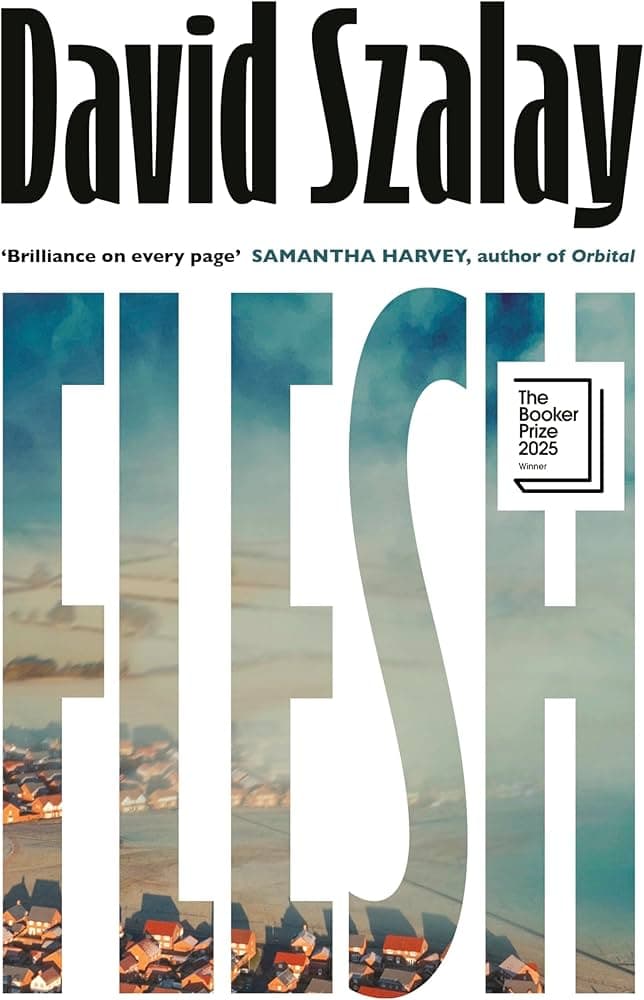
The Booker shortlist tends to consist of what’s trendy rather than what’s good and the wrong title usually wins, but this year’s reflected an interesting cultural moment. The winner, ‘Flesh’ by David Szaly is like an antidote to the tedious feminine introspection of Sally Rooney. As Janan Ganesh points out, when someone accuses the protagonist of ‘a primitive form of masculinity, it is hard to know what the author is mocking more, the man himself or that kind of rote-learned psychological mumbo jumbo’. Novels like ‘All Fours’ and ‘Fleishman is In Trouble’, which have found huge success recently for their examinations of the lives of successful, frustrated and highly sexed mid-life women. ‘The Rest of Our Lives’ by David Markovits is like a male version: funnier, more devastating and with a lot less sex.
.
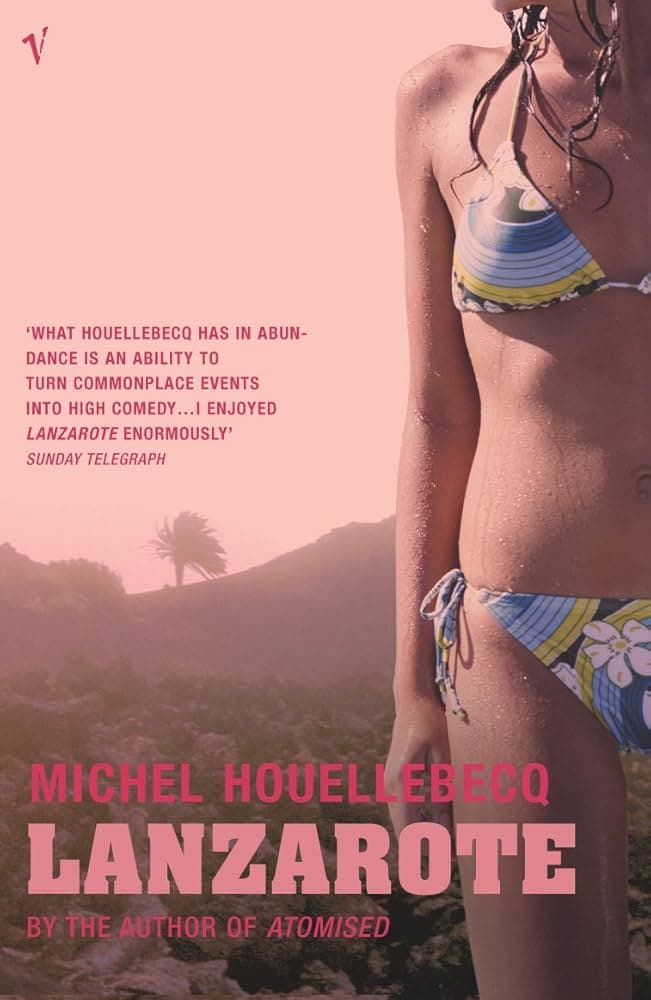
The Deputy Editor of this publication, like his illustrious predecessor, has taken it upon himself to improve my otherwise innervated fiction-habit by introducing me to the works of Michel Houellebecq. I most enjoyed ‘Submission’ – the handiest guide to France’s future currently available – and ‘Lanzarote’, a brief and entertaining of one middle-aged Frenchman’s holiday, complete with eye-popping lesbionics and sad Belgians.
Beyond the whims of Sappho, it has been a good year for political tomes. George Owers’s ‘The Rage of Party’ and Tom McTague’s ‘Between the Waves’ are the best introductions to our historical party system and Euroscepticism’s tergiversations that one could hope for. But my top choice is Patrick Maguire and Gabriel Pogrund’s ‘Get In’ – a peerless account of the Starmer project that makes abundantly clear just how hollow this Prime Minister and the Government he leads really are.
Finally, it would be amiss of me not to mention my favourite cricket book of the year. Huw Turbervill – the editor of ‘The Cricketer’ – has published the excellent ‘The Final Test’, an eloquent lament for the first-class game’s drawn-out demise. In the long winter months before the resumption of the County Championship, it is a melancholy tonic for those of us reduced to weeping at the horrors down in Oz.
.
Wolfgang Münchau’s ‘Kaput – The End of The German Miracle’ is the long-overdue antidote to John Kampfner’s ‘Why the Germans Do it Better: Notes from a Grown-Up Country’. The German economy is not all it’s cracked up to be, and it hasn’t been for some time. In the early 2010s, German GDP per capita was not far behind the US level, and a quarter above the EU average. Today, it is only 83% of the US level, and only 16% above the EU average. Münchau explores the reasons for this relative decline.
I am largely persuaded by his analysis, but not 100%: the author is too much of a ‘sensible centrist’ type for my taste, which leads him to shy away from criticising the progressive, green ideology that I would blame for much of the country’s woes. (I have written a full review here.)
‘2075 – Wenn Schönheit zum Verbrechen wird’ by Rainer Zitelmann is dystopian novel, set in a future society in which a BLM-like ‘social justice’ movement rises to power. There is no English translation yet, but I’m nonetheless pre-emptively recommending the book here, because I’m sure there will be a translation in due course. In principle, Zitelmann could have just set his novel two or three years in the future (or even in the present) rather than half a century. But the author has recently done a lot of research on ‘space capitalism’, and setting it in a more distant future allows him to combine these two interests.
So much for the good books. The worst book I’ve read all year is ‘Why Women Have Better Sex Under Socialism’ by Kristen Ghodsee. I started from the generous presumption that the title was not meant to be taken at face value, but rather, as an eye-catching way of saying that under socialism, people’s lives will be better in every respect. But she actually means it completely literally. Her evidence for it is so comically weak, I would have been embarrassed to base a tweet on it, let alone a whole book. (I have written a full review here.)
It serves as a depressing reminder of how you can get away with the worst kind of slop if your opinions are fashionable.

.
It would be easy to list the reams of papers wasted trawling through the sizeable pieces of legislation I’ve been reading this year, and arguing that they are, in fact, books and leaving a very negative review for my fellow CapX readers – as CPS research this year demonstrated. But that wouldn’t be in the festive spirit. My favourite book this year takes the form of a manuscript due to be published next March, by ASI Senior Fellow and former Chair of the Council of Economic Advisers under Trump 1.0 – Dr Tyler B Goodspeed – ‘Recession: The Real Reasons Economies Shrink and What to Do About It’. In the book, Tyler dispels in great clarity why recessions aren’t cyclical, and how it is often the cause of overregulation, overtaxation, and a lack of free markets that ensures these slumps are long, painful, and have effects well into the future.
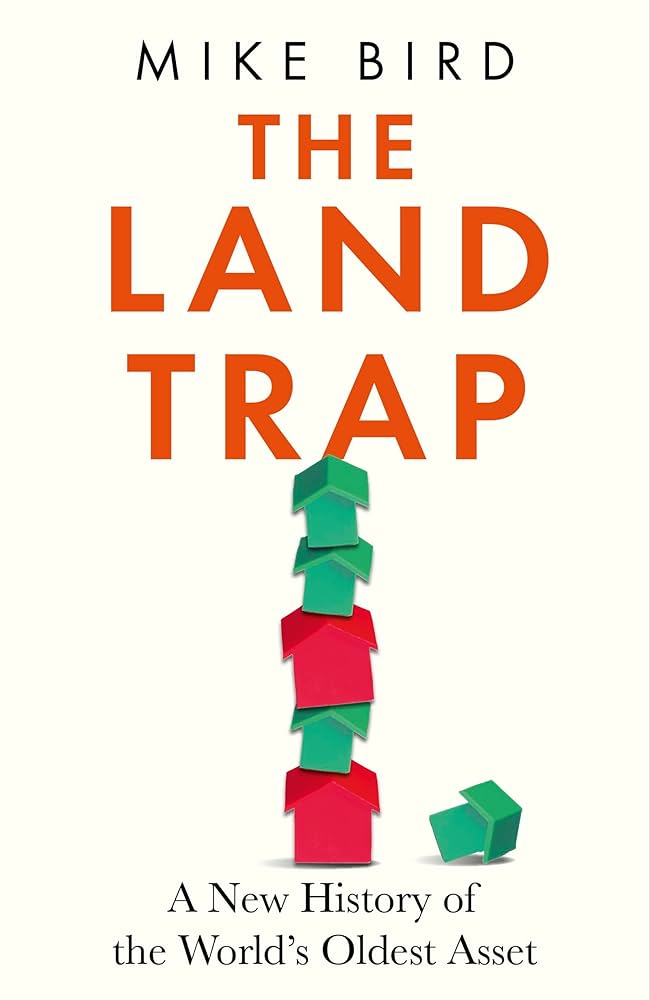
My other favourite book this year was ‘The Land Trap: A New History of the World’s Oldest Asset’ by the esteemed Mike Bird. In this accessible and fascinating book, you’re sure to learn something new in every paragraph about how cities grow and learn lessons we can apply to the UK – mainly, how to best use land to promote prosperity, as well as what happens when we fail to (looking at you, TfL).
Merry Christmas.
.
Anyone who spends their days navigating or contemplating Westminster’s tribal psychodramas will find a disquieting sense of recognition in this year’s standout title, George Owers’s ‘The Rage of the Party’. This bloody-minded romp through the 18th century reminds the reader just how old our supposedly ‘modern’ culture wars really are. Across the coffee houses, pulpits and pamphlet stalls of the period, the recurring patterns of instinct, vanity and miscalculation reveal themselves with disarming poise. Owers has an enviable gift for stitching sharp analysis into lively narrative, and the result is history that lands with contemporary force.
Hot on its heels comes Bijan Omrani’s ‘God in an Englishman’. With a political class increasingly unsure how to speak about values and an institutional crisis not far from view, Omrani reminds us that the best parts of our national inheritance were shaped by faith long before they were defended by think-tank reports. The book challenges the idea that modern Britain can understand itself while amputating its own religious imagination.
Art and culture also get a welcome shake-up this year. James Delbourgo’s ‘A Noble Madness’ is an irresistible tour through the strange, acquisitive minds who helped define what we now call taste. It is a timely reminder, for anyone involved in the politics of culture, of how much status and storytelling determine what we choose to preserve. Alexandra Wilson’s ‘Someone Else’s Music’ is equally pitch-perfect in a different register. A scholar at the top of her game, Wilson offers a humane, historically grounded look at opera and identity that cuts through the noise surrounding cultural ‘ownership’. Both books reward readers who sense that today’s arguments about heritage and representation didn’t appear from nowhere.
On the fiction shelf, the recent translation of Vincenzo Latronico’s ‘Perfection’ grants English-speaking readers a poignant piece of craftsmanship. Reminiscent of George Pérec’s behavioural precision in Les Choses and André Gide’s moral tension, the novel dissects the emptiness of millenials expat lives, caught between the vanity of self-curation and economic downward mobility. Thomas Peermohamed Lambert’s ‘Shibboleth’, by contrast, is a riot: a gleeful revival of the campus novel that skewers academic theatre with an accuracy some readers may find uncomfortably recognisable.
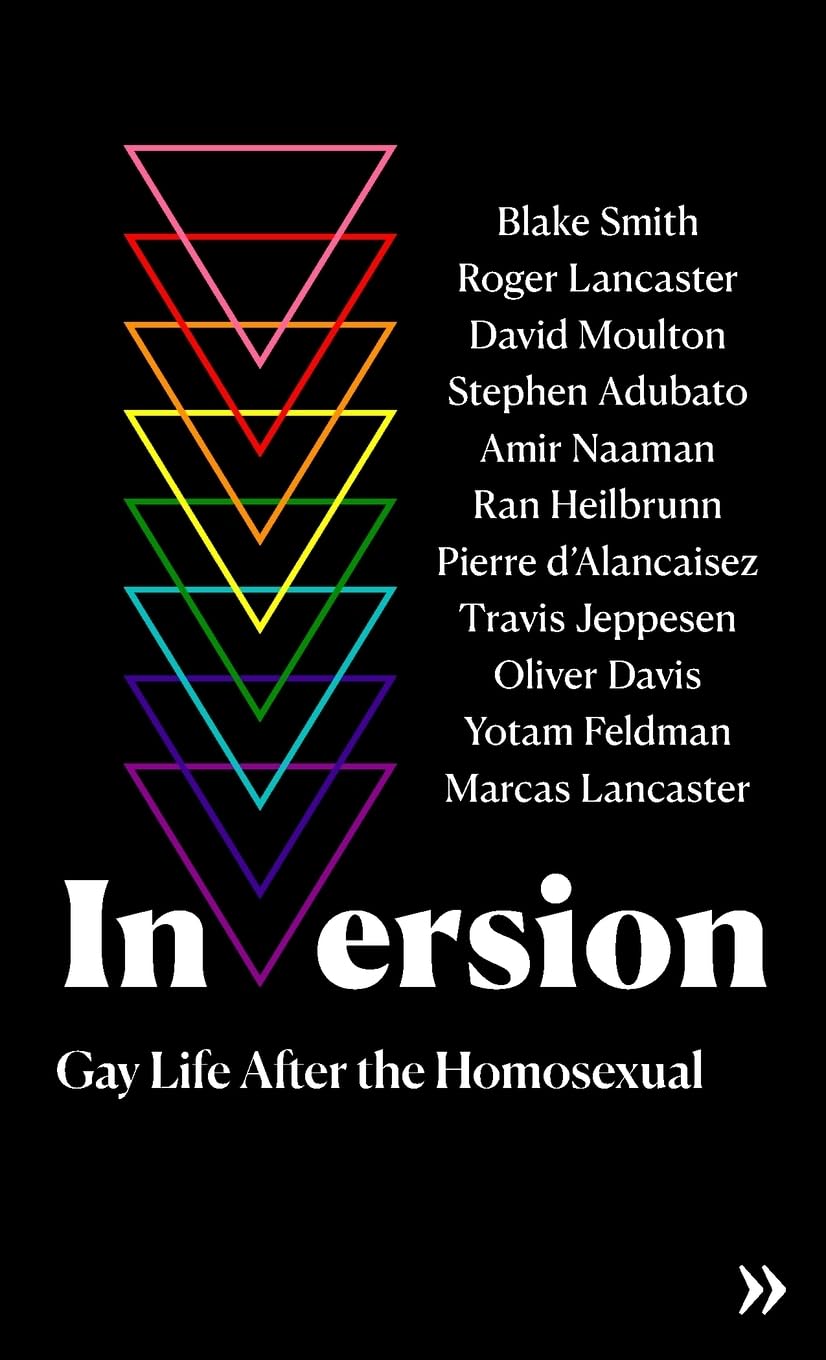
For readers keen to explore a new frontier of deep cultural argument, ‘Inversion: Gay Life After the Homosexual’, edited by Pierre d’Alancaisez and Amir Naaman, offers a provocative map of where debates about identity are heading next. Serious, refreshing and unwilling to repeat the usual scripts, the book pushes into the future of identity debates with a candour that will annoy exactly the right people.
Finally, Cosima Gillhammer’s ‘Light on Darkness: The Untold Story of the Liturgy’ deserves its place as the dependable Christmas choice. It is a rare thing: a book about liturgy that is not only readable but profoundly revelatory and delicately written, drawing attention to the ways Christian ritual shapes the texture and meaning of everyday life.
.
Without a doubt, the best page-turner I’ve read this year is ‘The Hour of the Predator’, by Giuliano Da Empoli – an Italian/Swiss novelist and political scientist who used to work as an aide to Matteo Renzi and who counts Emmanuel Macron among his close friends. His tight account of what ails our ruling elite reads like a thriller, and while it might play a little fast and loose with the facts, is a compelling diagnosis of our current travails all the same.
More sober, perhaps, is ‘The Age of Extraction: How Tech Platforms Conquered the Economy and Threaten Our Prosperity’, though its author, American legal scholar Tim Wu, is certainly able to coin a phrase. ‘Network neutrality’, a core term of internet governance for decades, is his coinage. Wu deftly pulls together online power, why it works against market and consumer interest, and what might be done about it.
Finally, discourse through 2025 has felt dominated by whether certain men are or are not geniuses, and whether they see something the rest of us are missing – maybe that our future lies on Mars, or that AI is about to transform everything. Helen Lewis’s ‘The Genius Myth’, then, is a refreshing (and fun) examination of the very idea of genius, with a particularly fun sideline looking into the internecine dispute of high IQ societies. It’s a great little Christmas treat.

.
Rather as I incline to avoid splashing out on new technology because it is new, I don’t go much for buying the latest books for the sake of it. But I made an exception for George Owers’ excellent and beautifully-written ‘Rage of Party’, describing in page-turning terms the twists and turns of English politics in the late seventeenth and early eighteenth centuries (well, British, given the 1707 Act of Union shenanigans and the magnet-like attraction of Scotland for the wilder and woollier sides of Jacobitism). To balance I also went back to Edward Pearce’s twenty-year-old biography of Robert Walpole, ‘The Great Man’: despite the writer’s repeated quixotic complaints that Walpole’s Whiggism wasn’t an early precursor of Lib Dem piety, it’s an entertaining read.
Fiction: for sheer entertainment and nostalgia for the heady days of the 1980s, Caro Fraser’s thirty-year-old legal bonkbuster ‘The Pupil’ – written, it is said, to show that her father George Macdonald Fraser hadn’t monopolised the family talent – is highly recommendable. And lastly for a trip to France, a real golden oldie to get one in the mood: Anatole France’s largely forgotten very sharp political satire ‘L’Île des Pingouins’. Whether you read it in the original or in translation, you’ll end up well entertained and much better informed as the Eurostar dives back under the Channel to transit the grimmer bits of Kent en route for St Pancras.

.
On a recent trip to the Smoky Mountains along the Tennessee–North Carolina border, I brought Michael Crick’s ‘One Party After Another’, the journalist’s detailed biography of Reform UK’s leader, Nigel Farage. A well-researched, objective account, the book showcases the missteps, opportunistic turns and force of personality that have made Farage such a persistent presence in British politics.
Earlier in the year, I read ‘Barbarians at the Gate’ by Bryan Burrough and John Heylar, the definitive chronicle of the RJR Nabisco takeover. It’s an extraordinary study of corporate ambition and excess, told with a clarity that makes even complex financial manoeuvres easy to follow and easily accessible to understand. What stood out was how recognisably human the fiasco was. Those chasing glory and those allowing egos to get in the way, culminating in a cautionary tale.
To round things off, I also read Vladislav M. Zubok’s ‘Collapse: The Fall of the Soviet Union’, a mammoth, impressive and balanced account of Gorbachev’s reforms and the unravelling they set in motion. It’s a clear and thoughtful guide to the USSR’s final years – and also led to the unexpected discovery that my good friend and co-contributor to this reading list, Maxwell Marlow, was in fact taught by Zubok at the LSE. This tome carries a little more nuance than the standard narratives allow.

.
Despite the horrendous economic mess the country is in (and sliding further into) my books of the year point in a different direction. Perhaps because I feel that any CapX reader would do a better job than Rachel Reeves with his or her eyes closed (cut spending, cut taxes, encourage growth, stop being mental and stop lying etc).
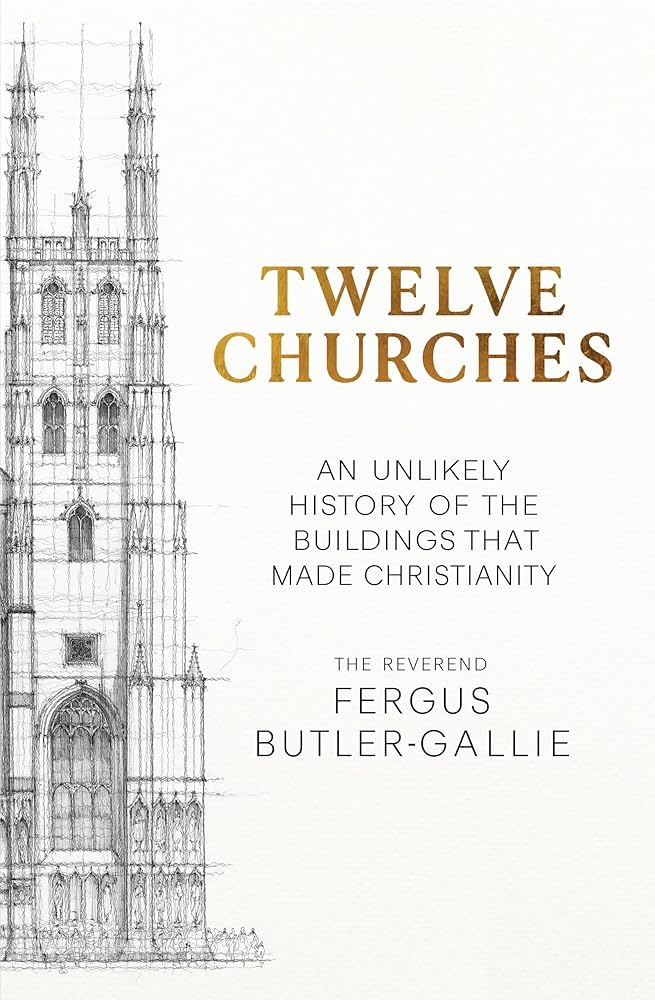
But Britain also faces moral, theological, and cultural crises. That’s why I loved ‘Twelve Churches’ by the Reverend Fergus Butler-Gallie. Not only can you travel the world with it visiting churches; it positions Britain here and now in a proper historic and theological position. Perfect to think beyond grubby Westminster politics.
‘God is an Englishman’ by Bijan Omrani does similar, and did for the English church what Tom Holland’s ‘Dominion’ did at a broader level. I learned so much about law, the countryside and time itself in the process.
And finally, ‘The Rage of Party’ by George Owers taught me so much about the political spats of years gone by, when low politics was fuelled by high ideals (and equally low morals). All three show the importance of Christianity at the heart of the world. As it should be, especially at Christmas!
And a special mention to ‘The Anti-Catastrophe League’ by Tom Ough, of whom a founding member, should of course, be Jesus Christ!
.
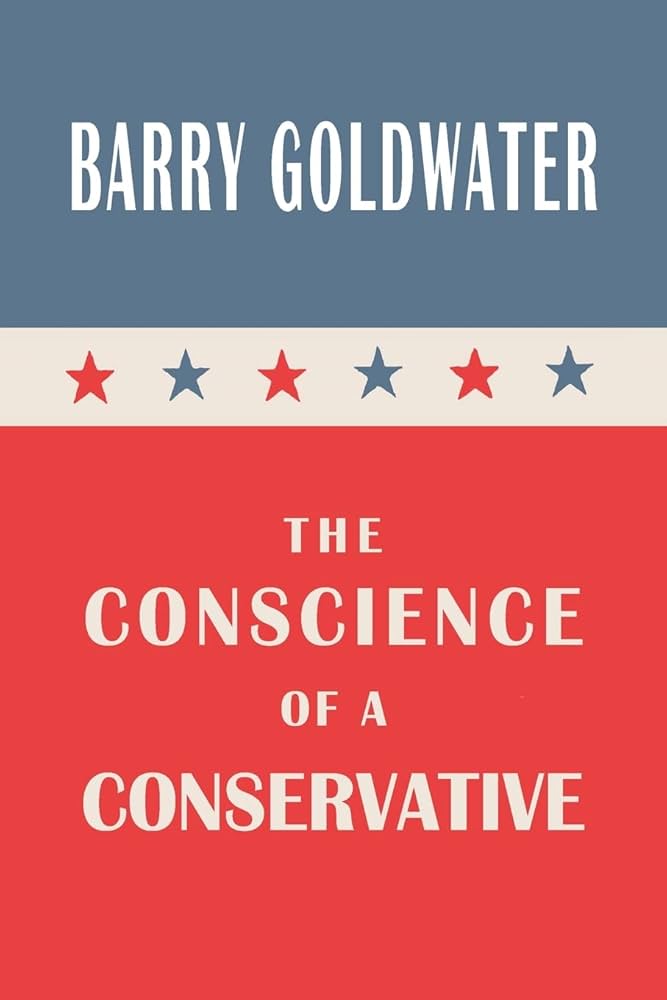
Barry Goldwater didn’t lose the 1964 election, his vote was counted 16 years later when Reagan won. Goldwater was the political embodiment of the revival of conservative thought in the 1950s, alongside figures such as Russell Kirk, Bill Buckley, and F. A. Hayek on the intellectual ground.
His message was straightforward: free markets and limited government at home, and a strong stand against communism abroad. At a time when the American president rolls out the red carpet for enemies of the West, I would strongly recommend ‘The Conscience of a Conservative’. It is a brilliant reminder of what conservatism actually means: not merely resisting change or just being ‘anti-left’, but conserving a society grounded in liberty and defending freedom where it’s necessary.
The next is ‘What Should Economists Do?’, by James M. Buchanan. What is the role of the economist? Should economists rule the world? If you want answers from a Nobel laureate, this is the book to read – but don’t expect an argument for technocracy. Instead, Buchanan warns about its dangers. The most valuable insight I took from this book is his view that markets are the institutional embodiment of freedom, not a system to be engineered to produce outcomes preferred by social planners.
‘The Counter-Revolution of Science’ is one of Hayek’s most underrated works, yet for me it belongs in his top three in terms of importance. Why? Because it offers a timely warning: economists – and social scientists in general – too often confuse looking scientific with being scientific. Hayek draws a clear line between genuine knowledge and what he called the ‘scientistic prejudice’. One accepts true but imperfect knowledge; the other loves the pretense of knowledge.
.
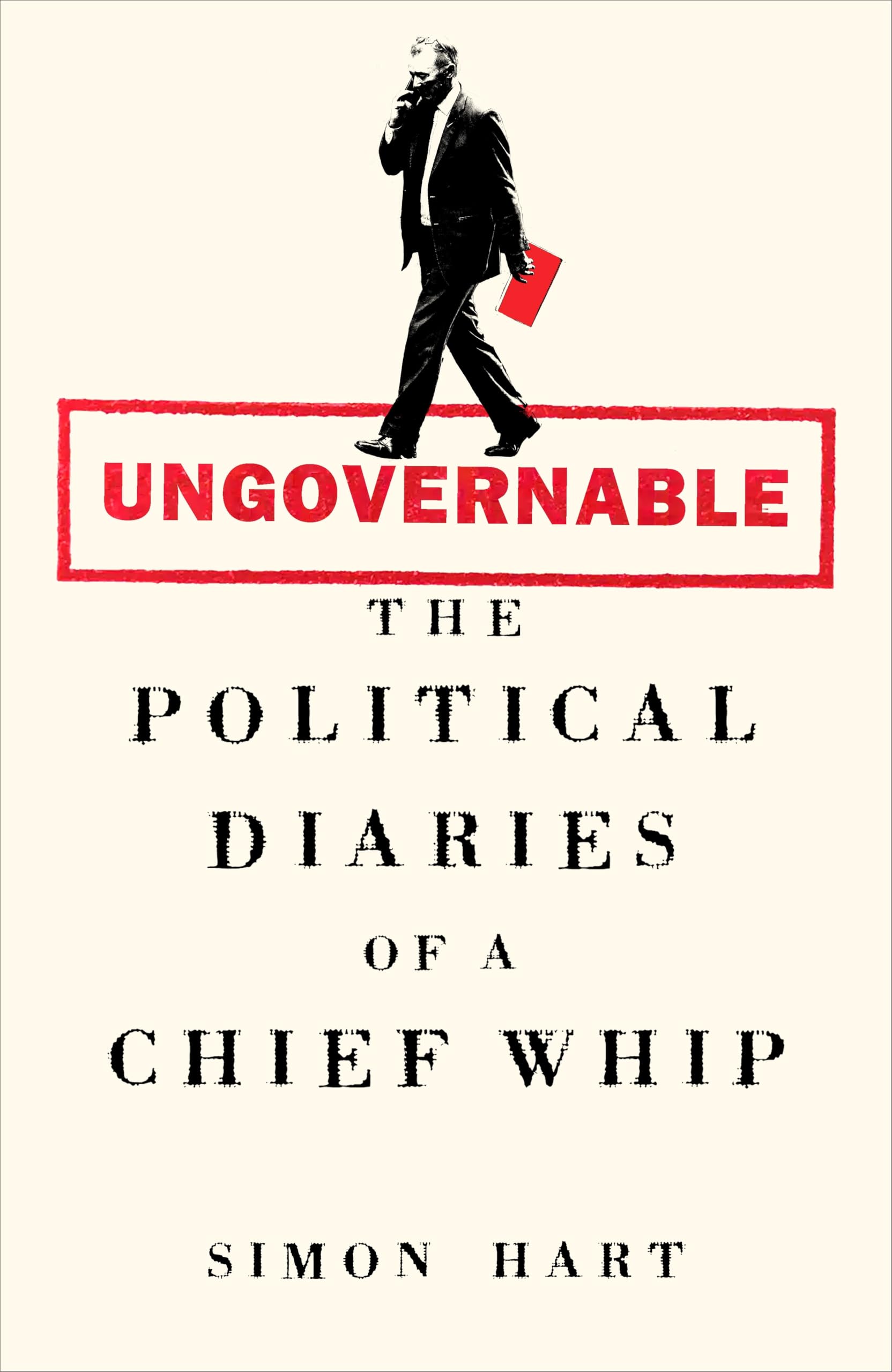
‘Ungovernable: The Political Diaries of a Chief Whip’ is a fascinating chronicle of the last five years of the Conservative government through the eyes and chummy prose of Simon Hart. He was on the periphery of Boris Johnson’s cabinet as Welsh Secretary, then in the very centre of the action when Rishi Sunak appointed him Chief Whip. Hart is a Tory everyman figure, down-to-earth and unassuming, and his exasperation is obvious as his discipline and loyalty among his colleagues disintegrate and election catastrophe looms. Infinitely readable, frequently funny and occasionally insightful.
Harald Jähner’s ‘Vertigo: The Rise and Fall of Weimar Germany’ captured the sheer weirdness and unreality of Germany between the abdication of the Kaiser in 1918 and Hitler’s rise to power. It is a nation and society constantly experimenting, with music, art, literature and lifestyles; but its series of ineffective governments cannot hold the ring with increasingly violent extremism from left and right. A constant presence is the inability of millions of Germans to accept they lost the First World War, let alone understand why, which makes it the perfect breeding ground for the infamous ‘stab-in-the-back’ myth and the dark road which leads to the death camps.
‘Rabbits’ by Hugo Rifkind was the sort of novel which felt effortless, as if it had simply spilled out of the author on to the page in an amusing, anxious, self-doubting and occasionally gauche way. A pitch-perfect portrayal of teenage boys and public schools, in other words. It depends on your tolerance for tales of the well-to-do and very British institutions: mine is high, and I devoured it.
.
Prompted by a claim on the Novara podcast that Britain in neither a lawerly state – as America is – or an engineering state – as China is – but a PPE state, I read Dan Wang’s ‘Breackneck’. The interesting claim in Wang’s book is not really about engineering vs lawyerly societies, but that a government dominated by one elite formation will come to reflect that formation’s ways of thinking, its priorities and blind spots – and thus the manner in which policy is conceived, debated and delivered.
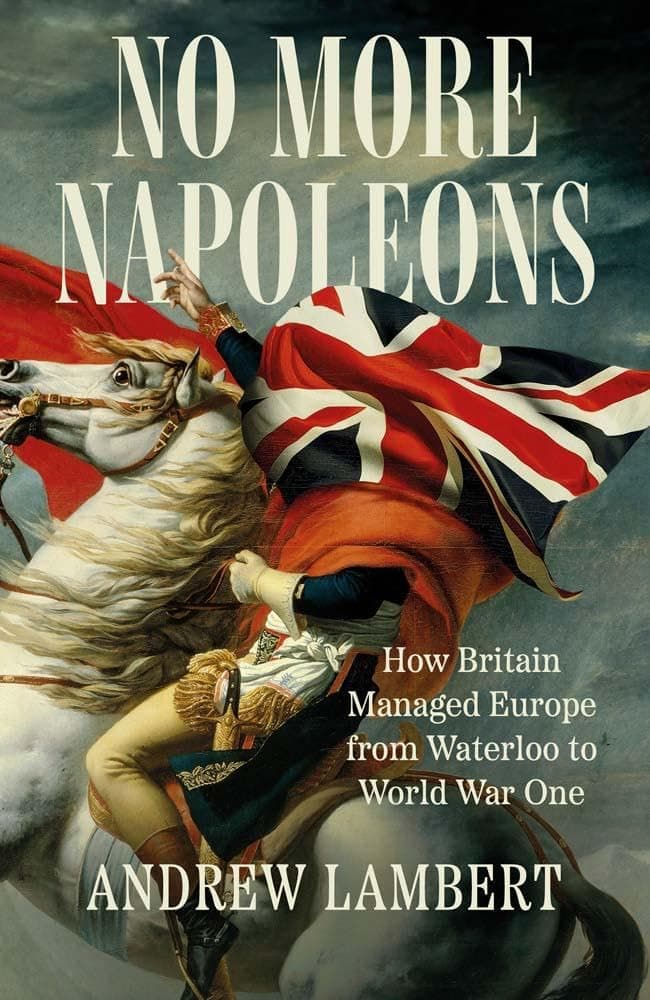
With a realist reset in international affairs and a supine Prime Minister haplessly fleeced by every poorly-run nation leveraging a historic grievance for handouts, Andrew Lambert’s ‘No More Napoleons’ and Philip Cunliffe’s ‘The National Interest’ were timely. Lambert shows British attempts to manage continental stability through a combination of naval power and diplomatic finesse between 1815 & 1914 were downstream of the overriding objective of the national interest – keeping its shores safe.
Cunliffe traces how that idea of national interest was destroyed – and how it could be restored. Britain’s interest is to retake its mantle as the world’s leading nation for exploration, discovery and invention. We must not fade into mediocrity and self-pity. We are the Promethean nationFinally, I read ‘South’ by Ernest Shackleton, recounting the Endurance expedition to attempt the first land crossing of the Antarctic. Months of drifting, the Endurance’s collapse under enormous pressure, the perilous journey of the tiny lifeboats to Elephant Island, the near 1,000-mile crossing of the Southern Ocean in the uncovered James Caird, the traverse of South Georgia’s interior, and the rescue of his party without a single man lost. A story of extraordinary leadership in inhuman conditions that should be mandatory reading in CCHQ.
.
I’ve been very into historical fiction this year. I’m late to the party on this, but Hilary Mantel’s ‘Wolf Hall’ trilogy is just as good as everyone says. If you haven’t yet given it a go, definitely do – it’s utterly engrossing. It will be particularly of interest to those working in politics: through the life of Thomas Cromwell, essentially a spad to King Henry VIII, you get a wonderful sense of the depth of history behind British politics, and how it’s developed over the centuries. Imagine how much higher stakes political gossip would be if a misstep could get you beheaded? The series has also been quite faithfully adapted into an excellent BBC miniseries – a perfect Christmas treat. I similarly enjoyed ‘The Radetsky March’ by Joseph Roth, a beautifully humane novel that brings to life the dying days of the Austro-Hungarian empire through the eyes of three generations of men in one family who serve in its military and government.
A real highlight of the year has been an ‘Iliad book club’ organised by a friend. Emily Wilson’s translation has been the target of mockery on Twitter for its frequent lapses into bathos – but we’ve found it much more fun than the elevated prose of a more traditional translation, and more accessible for the Iliad’s original medium: being spoken aloud. (Wilson impressively gets her translation to scan in pentameter – the same meter as much of Shakespeare – which sounds natural and brisk to English-speaking ears). I’ve discovered that at the end of a long week there is no better way to unwind than gathering with your friends to recount 5,000-year-old descriptions of gruesome Trojan battlefields.
In terms of recent works, I found ‘Perfection’ by Vincenzo Latronico a bit of a disappointment, despite being one of this year’s hot reads: it does skewer a certain type of millennial obsession with the aesthetic life, but it doesn’t do much else in 120 pages. And it reads as weirdly outdated in places; as though the author had learned that young people these days are addicted to Facebook and vegan food by hearing about it on The Rest is Politics. A more positive review goes to Works In Progress magazine: this publication has been contributing fresh and original ideas on policy, tech, urbanism, science and economics online since 2020. It finally now exists as a beautifully designed physical magazine. The first issue, sent out to subscribers a few weeks ago, contains articles on South Korea’s fertility crisis, the rivalry between Swiss and Japanese watchmakers, the invention of the dishwasher, experiments in bacterial evolution and more. A subscription would make a great Christmas present for any optimistic nerd in your life.

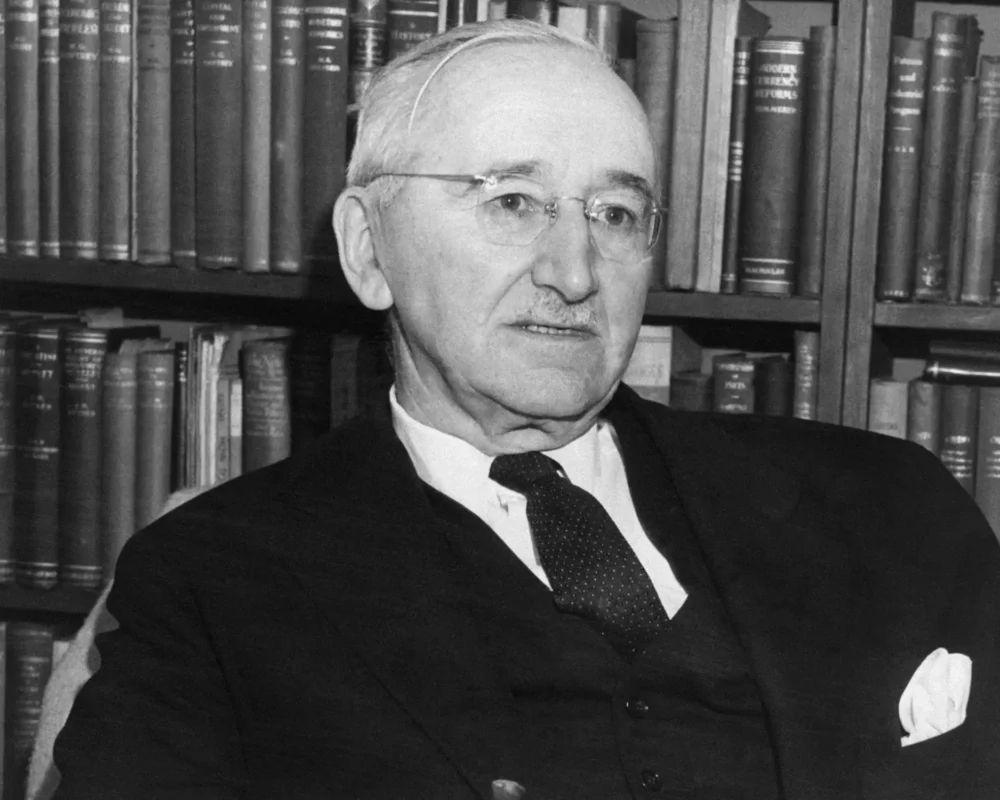
Friedrich Hayek has been accused of many things. His fans have eulogised him as the greatest 20th-century philosopher of classical liberalism, as a deep thinker who exposed the innate flaws in planned economies and who provided the intellectual foundation for the reform programmes of Margaret Thatcher and Ronald Reagan. His detractors have called him an […]

Sven Beckert, a Harvard professor, has written a very long history of capitalism. As its subtitle suggests, ‘Capitalism: A Global History’ covers all of the inhabited world and spans a millennium, starting with 12th-century merchants trading through the port city of Aden. The enterprise is of more than purely historical interest. As Beckert points out, […]

What a few months it’s been. War continues to rage in Europe and the Middle East, Labour are U-turning like they’ve suffered a stroke at the wheel and we’ve watched the US President say fu*k on live TV – it’s time for a holiday. Whether you’re spending it in Great Yarmouth or on the Dalmatian […]